
The Collaborative Innovation Center of South China Sea Studies Successfully Hosts the 2024 China-ASEAN Dialogue
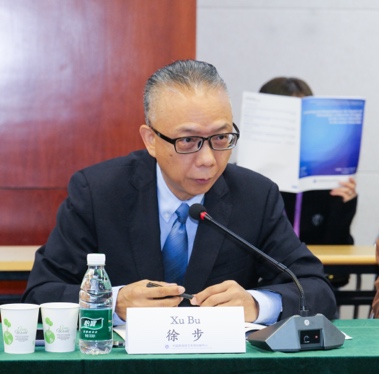
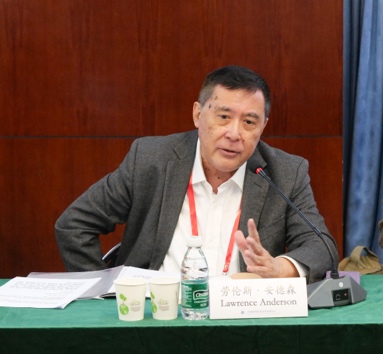
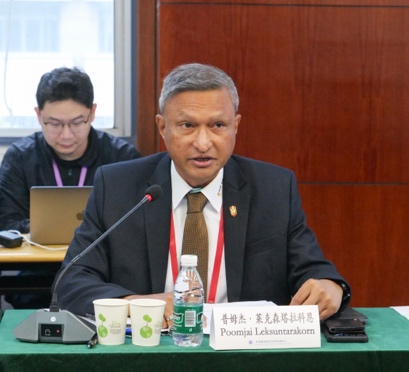
From October 25 to 27, 2024, the 2024 China-ASEAN Dialogue, organized by the Collaborative Innovation Center of South China Sea Studies at Nanjing University, was successfully held at the Gulou Campus of Nanjing University. Over 30 experts and scholars from 23 universities and research institutions across China and Southeast Asia convened for the event. Xu Jing, Counselor of the Department of Asian Affairs at the Ministry of Foreign Affairs, and Xu Bu, President of IIDSS at Jiangsu University and former President of the China Institute of International Studies, attended the conference. Participants engaged in comprehensive and in-depth discussions for one and a half days, addressing topics including the South China Sea situation and China-ASEAN relations in the context of major power strategic competition. The dialogue also welcomed 13 distinguished former government officials and renowned scholars from ASEAN countries, including Lawrence Anderson, Senior Fellow at the S. Rajaratnam School of International Studies at Nanyang Technological University, and former Ambassador to Saudi Arabia, Bahrain, and Cambodia, as well as Air Chief Marshal (Ret.) PoomjaiLeksuntarakorn, Former Commanding General of the Thai National Defence Studies Institute.
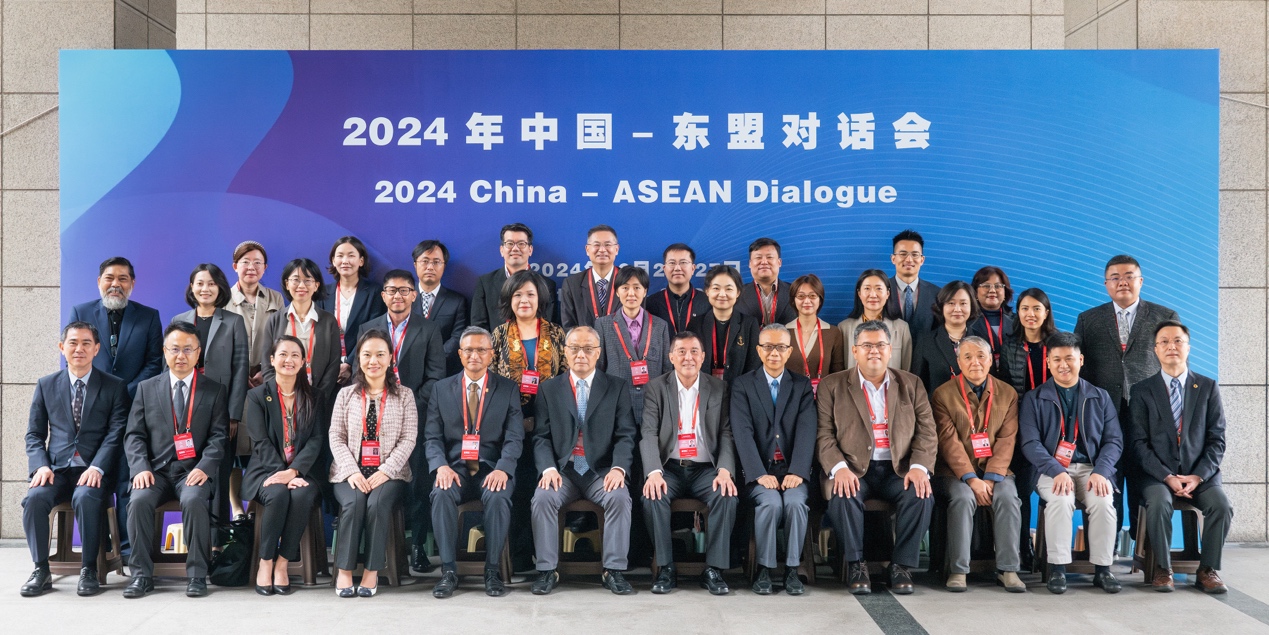
The opening ceremony and keynote session were chaired by Professor Zhu Feng, Executive Director of the Collaborative Innovation Center of South China Sea Studies at Nanjing University. In the keynote session, Ambassador Xu Bu pointed out that China and ASEAN need to work together to accelerate the consultation on the Code of Conduct in the South China Sea (COC) and effectively manage the intervention of external powers. He reiterated China’s unwavering support for ASEAN’s "centrality" and called for enhanced military exchanges, security cooperation, and strategic mutual trust to address regional disputes constructively. Lawrence Anderson highlighted the importance of dialogue in advancing COC consultations, arguing that, given the sensitivity of sovereignty, managing the current situation is the best approach, as opposed to attempting to resolve disputes outright. Poomjai Leksuntarakorn commended China's constructive role in enhancing ASEAN stability, noting that China and ASEAN have already established strong cooperation in economic and non-traditional security areas. He stressed in the context of intensifying great power strategic competition, ASEAN countries must continue to maintain a cautious balance between major powers to safeguard autonomy. Professor Zhu Feng remarked that the South China Sea issue has evolved from a territorial dispute into a great power strategic competition, driven by U.S. strategic pressure on China and external persistent interference. He stressed that ASEAN countries should recognize this shift and avoid using external forces to strengthen unilateral claims over territorial sovereignty and maritime rights. Professor Zhu further emphasized that deepening strategic cooperation, enhancing economic and social ties, and jointly upholding East Asian regional cooperation and sustainable development represent a strategic consensus that both sides must continue to strengthen.
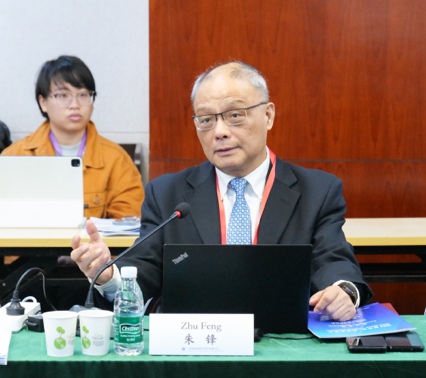
In the subsequent sub-forums and roundtable discussions, experts engaged in-depth discussions and exchanges on themes such as “China-ASEAN Relations in the Context of U.S.-China Strategic Competition”, “Geopolitical Trends in the South China Sea in 2024 and Beyond ”, “China-ASEAN Maritime Cooperation under Global South Framework”, “Regional Security Risk Management in the Context of U.S.-China Strategic Competition”, “Non-Traditional Security Cooperation between ASEAN-China”, and “Regional Security Risk Management in the Context of U.S.-China Strategic Competition”.
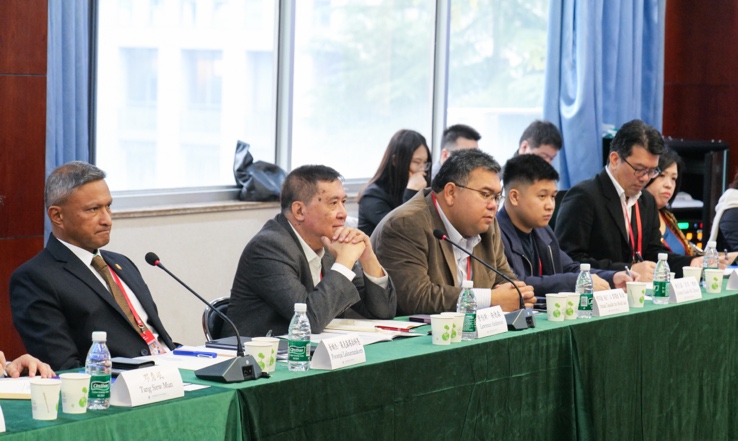
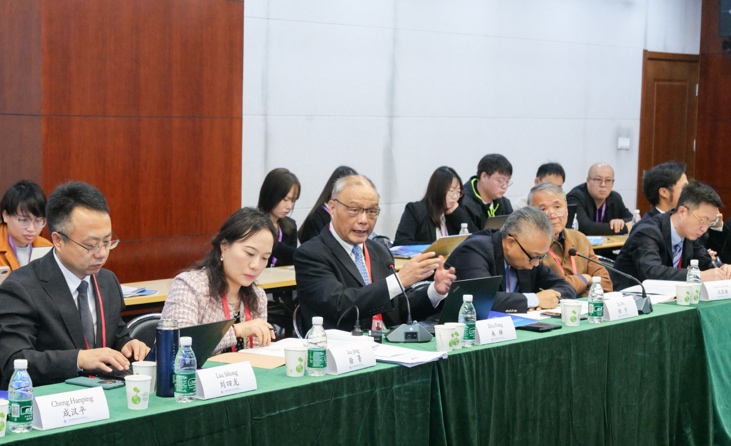
At the closing ceremony, Xu Bu and Tang Siew Mun, former Director of ASEAN Secretariat’s Political and Security Directorate and Senior Fellow at ISEAS-Yusof Ishak Institute in Singapore, delivered the closing summary. Ambassador Xu highlighted the Dialogue’s productivity and insightfulness, which reflected the complexity of issues including China-ASEAN relations, the South China Sea issue, regional non-traditional security challenges, the impact of U.S.-China strategic competition on regional geopolitical, and the influence of domestic politics on inter-state relations. Tang expressed that the candid exchanges reflected the deep friendship between China and ASEAN. He pointed out that the South China Sea issue affects not only relations between China and ASEAN countries but also intra-ASEAN dynamics. Promoting peaceful resolution, he noted, is essential for maintaining long-term regional stability. Tang further observed that discussions on non-traditional security issues against the backdrop of intensifying geopolitical competition reflected the strength of our partnership.
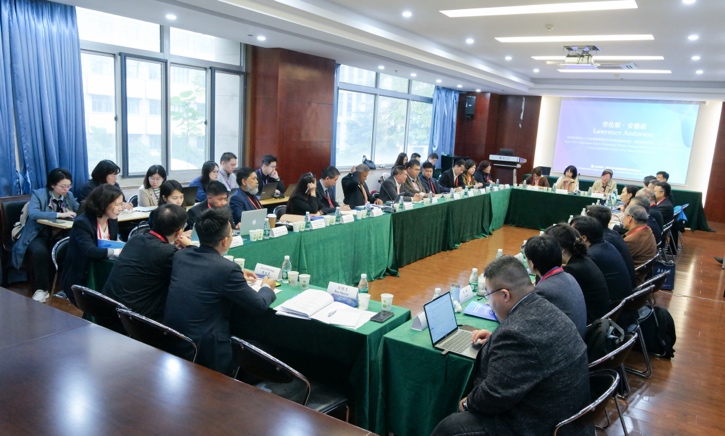
The China-ASEAN Dialogue is a flagship international academic event regularly organized by the Collaborative Innovation Center of South China Sea Studies at Nanjing University. The purpose of Dialogue is not only to invite renowned Southeast Asian experts and scholars for timely, in-depth, and candid discussions on the development and deepening of China-ASEAN cooperation, but also to stay abreast of emerging trends in the South China Sea situation and major power relations, providing a platform for face-to-face exchanges from both sides. Furthermore, it serves as a critical academic platform for the Collaborative Innovation Center of South China Sea Studies to actively convey China’s voice to ASEAN think tanks and the wider academic community.